Location
3/4, Sarswati Plaza Opp. N.A.S. College, E.K. Road, Meerut

Dr. Vineet Bansal's Clinic, located at 3/4, Saraswati Plaza, Opposite N.A.S. College, E.K. Road, Meerut, is renowned for its excellence in cardiology. With exceptional expertise, Dr. Vineet Bansal is committed to delivering high-quality, personalized healthcare services.
 By Dr. Vineet Bansal
 Sept 16, 2026
High blood pressure, also known as hypertension, is one of the most common health conditions affecting adults worldwide. It is a major risk factor for heart disease, stroke, kidney disease, and other serious health complications.
One of the biggest challenges with hypertension is that it often develops without noticeable symptoms. Many people may have elevated blood pressure for years without realizing it.
The encouraging news is that high blood pressure can often be effectively managed through healthy lifestyle habits, regular monitoring, and appropriate medical treatment.
Understanding how to control blood pressure is an important step toward protecting long-term cardiovascular health.
Dr. Vineet Bansal, MBBS, MD, DM (Cardiology), a cardiologist in Meerut, emphasizes the importance of blood pressure awareness, preventive healthcare, and individualized cardiovascular risk management.
Blood pressure refers to the force exerted by circulating blood against the walls of the arteries.
It is measured using two numbers:
Systolic Blood Pressure: The upper number, representing pressure in the arteries when the heart contracts.
Diastolic Blood Pressure: The lower number, representing pressure in the arteries when the heart relaxes between beats.
For example, a blood pressure reading of 120/80 mmHg indicates a systolic pressure of 120 and a diastolic pressure of 80.
Blood pressure classifications vary slightly between international medical guidelines.
According to commonly used European and international definitions, hypertension is generally diagnosed when repeated office blood pressure measurements are at or above 140/90 mmHg. Some guidelines, including those used in the United States, apply a lower diagnostic threshold of 130/80 mmHg.
A diagnosis should not normally be based on a single elevated reading. Healthcare professionals often use repeated measurements, home blood pressure monitoring, or ambulatory blood pressure monitoring to confirm the condition.
When blood pressure remains elevated over time, it places additional strain on the heart and blood vessels.
This can gradually damage the cardiovascular system and increase the risk of serious complications.
Uncontrolled blood pressure can contribute to damage within blood vessels and accelerate the development of atherosclerosis, a condition involving plaque buildup in the arteries.
This may increase the risk of coronary artery disease and heart attacks.
Persistent hypertension forces the heart to work harder to circulate blood.
Over time, the heart muscle may become thickened or develop problems with relaxation or pumping function.
These changes can contribute to heart failure.
High blood pressure is a major risk factor for both ischemic and hemorrhagic strokes.
Effective blood pressure control can significantly reduce stroke risk.
The kidneys contain small blood vessels that help filter waste products from the blood.
Long-standing hypertension can damage these vessels and contribute to chronic kidney disease.
Uncontrolled hypertension can damage blood vessels in the retina, potentially affecting vision.
Managing blood pressure is therefore important for protecting multiple organs, not just the heart.
Hypertension can develop due to a combination of genetic, lifestyle, environmental, and medical factors.
Most adults with hypertension have primary hypertension, meaning there is no single identifiable cause.
Some individuals develop secondary hypertension due to an underlying condition, such as kidney disease, certain hormonal disorders, obstructive sleep apnea, or medication-related effects.
Identifying relevant risk factors helps healthcare professionals recommend appropriate management strategies.
High blood pressure is often called a silent condition because most people do not experience obvious symptoms.
It is possible to have significantly elevated blood pressure while feeling completely normal.
Some people with severely elevated blood pressure may experience symptoms such as:
However, these symptoms are not reliable indicators of routine hypertension and may have other causes.
Important: Blood pressure should be assessed using an appropriate measuring device rather than symptoms alone.
Severe blood pressure elevation accompanied by chest pain, breathlessness, weakness, confusion, or visual changes requires emergency medical evaluation.
Managing hypertension generally involves a combination of lifestyle modifications, appropriate medical treatment, and regular follow-up.
The most suitable approach depends on the individual's blood pressure readings, age, medical conditions, cardiovascular risk, and treatment tolerance.
Consuming too much sodium can contribute to elevated blood pressure.
Reducing sodium intake is an important part of hypertension management.
Practical steps include:
The World Health Organization recommends adults consume less than 2 grams of sodium per day, equivalent to approximately 5 grams of salt from all sources.
People with kidney disease or other medical conditions should follow individualized dietary advice.
A balanced diet can support healthier blood pressure levels and overall cardiovascular well-being.
The DASH diet (Dietary Approaches to Stop Hypertension) is an evidence-based eating pattern commonly recommended for blood pressure management.
It emphasizes:
Healthy eating patterns can also help manage cholesterol, blood sugar, and body weight.
Regular physical activity helps improve cardiovascular fitness and can contribute to lower blood pressure.
For many adults, general recommendations include at least 150 minutes of moderate-intensity aerobic activity per week.
Examples include:
Muscle-strengthening activities can provide additional health benefits.
People with uncontrolled hypertension, existing cardiovascular disease, or concerning symptoms should seek medical guidance before beginning vigorous exercise.
Excess body weight can increase the risk of hypertension and other cardiovascular conditions.
For individuals who are overweight, gradual and sustainable weight reduction may improve blood pressure control.
Healthy weight management generally involves:
Extreme diets and rapid weight-loss methods are generally unnecessary and may be unsafe.
Smoking and other forms of tobacco use increase cardiovascular risk.
Nicotine can temporarily raise blood pressure and heart rate, while tobacco exposure damages blood vessels.
Stopping tobacco use is one of the most important steps for improving long-term cardiovascular health.
Individuals who need assistance quitting can discuss evidence-based cessation options with a qualified healthcare professional.
Excessive alcohol intake can contribute to hypertension and other cardiovascular problems.
Reducing alcohol consumption can help improve blood pressure control in people who drink.
Individuals who do not drink alcohol should not start drinking for supposed heart health benefits.
Poor sleep and certain sleep disorders can contribute to elevated blood pressure.
Healthy sleep habits include:
People who experience loud snoring, breathing pauses during sleep, or persistent daytime sleepiness may require evaluation for obstructive sleep apnea.
Stress can temporarily increase blood pressure, and chronic stress may contribute to unhealthy behaviors that affect cardiovascular health.
Helpful strategies include:
Stress management supports general well-being but should not replace prescribed blood pressure treatment.
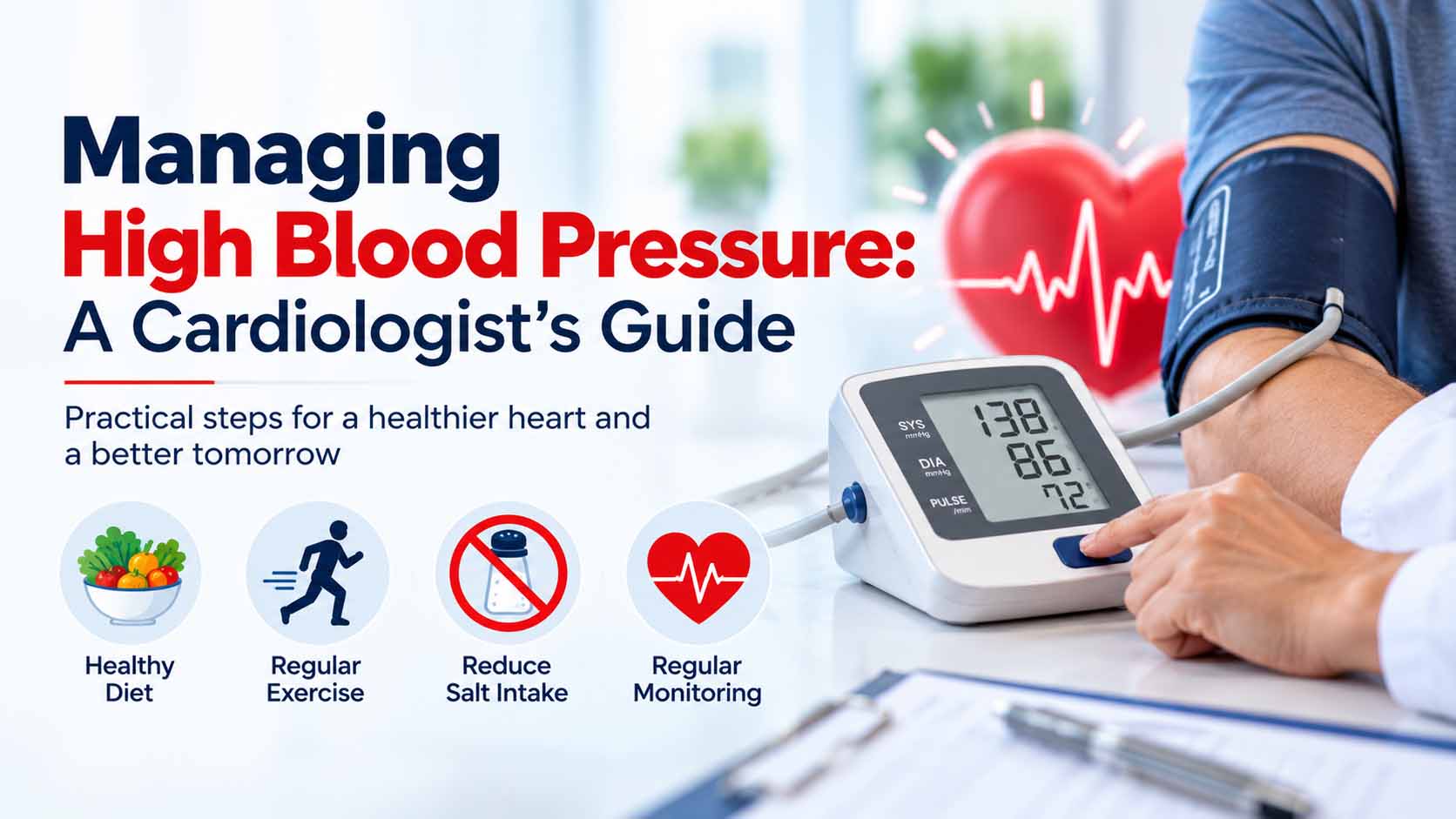
Home blood pressure monitoring can help patients and healthcare professionals understand blood pressure patterns outside the clinic.
A validated automatic upper-arm blood pressure monitor is generally preferred.
A healthcare professional may recommend taking measurements in the morning and evening over several days.
Home readings should be interpreted using appropriate thresholds, which may differ from office blood pressure thresholds.
Lifestyle changes are an essential part of hypertension management, but some individuals also require medication.
The decision to prescribe medication depends on factors such as:
Common classes of blood pressure medications include:
ACE Inhibitors: Help relax blood vessels and are useful in selected patients.
Angiotensin Receptor Blockers (ARBs): Help control blood pressure by blocking certain hormonal effects on blood vessels.
Calcium Channel Blockers: Help blood vessels relax and reduce blood pressure.
Thiazide or Thiazide-Like Diuretics: Help the body eliminate excess sodium and water.
Other medications may be appropriate depending on individual circumstances.
Never start, stop, or change blood pressure medication without appropriate medical guidance.
Some patients require more than one medication to achieve adequate blood pressure control.
Blood pressure treatment targets depend on the individual's medical history, age, cardiovascular risk, treatment tolerance, and the clinical guidelines being followed.
Many patients benefit from achieving blood pressure below 130/80 mmHg when appropriate and safely tolerated, although recommendations differ between guidelines and patient groups.
Some individuals may require less intensive or more individualized targets.
A qualified healthcare professional should determine the most appropriate goal.
Very high blood pressure can occasionally be associated with a hypertensive emergency, particularly when there is evidence of acute damage to the brain, heart, kidneys, or other organs.
A blood pressure reading above 180 mmHg systolic and/or 120 mmHg diastolic requires prompt attention.
If a reading is unexpectedly high, repeat it after a brief period of rest using correct measurement technique.
Seek emergency medical care immediately if severe blood pressure elevation is accompanied by:
If readings remain extremely high without symptoms, contact a healthcare professional promptly for guidance rather than attempting rapid blood pressure reduction on your own.
Hypertension affects people across different age groups and communities, including those living in Meerut and nearby areas.
Dr. Vineet Bansal, MBBS, MD, DM (Cardiology), is a cardiologist based in Meerut, Uttar Pradesh.
Understanding the risks associated with uncontrolled hypertension and the importance of appropriate medical management is an essential part of cardiovascular health education.
Lifestyle changes such as reducing sodium intake, regular exercise, healthy eating, weight management, and avoiding tobacco can help lower blood pressure. However, some individuals also require medication.
Yes. Most people with hypertension have no noticeable symptoms, which is why regular blood pressure measurement is important.
Repeated office blood pressure readings at or above 140/90 mmHg meet the diagnostic threshold for hypertension in many international guidelines. Some guidelines use lower thresholds. Diagnosis should be confirmed appropriately.
Yes. Hypertension can occur in young adults, especially in the presence of family history, obesity, kidney disease, or other risk factors.
Stress can temporarily raise blood pressure. Chronic stress may also contribute indirectly through unhealthy lifestyle habits, but it is not the only cause of hypertension.
No. Normal readings may indicate that treatment is working. Medication should only be adjusted or discontinued after consultation with a qualified healthcare professional.
No. Normal readings may indicate that treatment is working. Medication should only be adjusted or discontinued after consultation with a qualified healthcare professional.
Managing high blood pressure is one of the most important steps toward protecting long-term cardiovascular health.
Because hypertension often develops without symptoms, regular blood pressure monitoring and awareness of individual risk factors are essential.
Healthy eating, reduced sodium intake, regular physical activity, tobacco avoidance, adequate sleep, and appropriate medical treatment can help maintain healthier blood pressure levels.
With consistent preventive measures and individualized medical care, many hypertension-related complications can be reduced.
Medical Disclaimer: This article is intended solely for public awareness and educational purposes. It does not constitute personalized medical advice, diagnosis, or treatment. Blood pressure targets, medications, and monitoring schedules should be determined by a qualified healthcare professional based on individual medical needs.